
By the PipeElectric team · Published October 30, 2026 · Updated October 30, 2026
The most common no hot water causes are a failed gas pilot or igniter, a tripped breaker or high-limit switch, a bad heating element, and a closed valve. The fuel type narrows it fast. If you smell gas, get everyone out, then phone 911 and CenterPoint Energy from the street.
No hot water causes by heater type
Start with what you own. Each fuel fails in its own way, so the first step is to read the label and go to the section that matches.
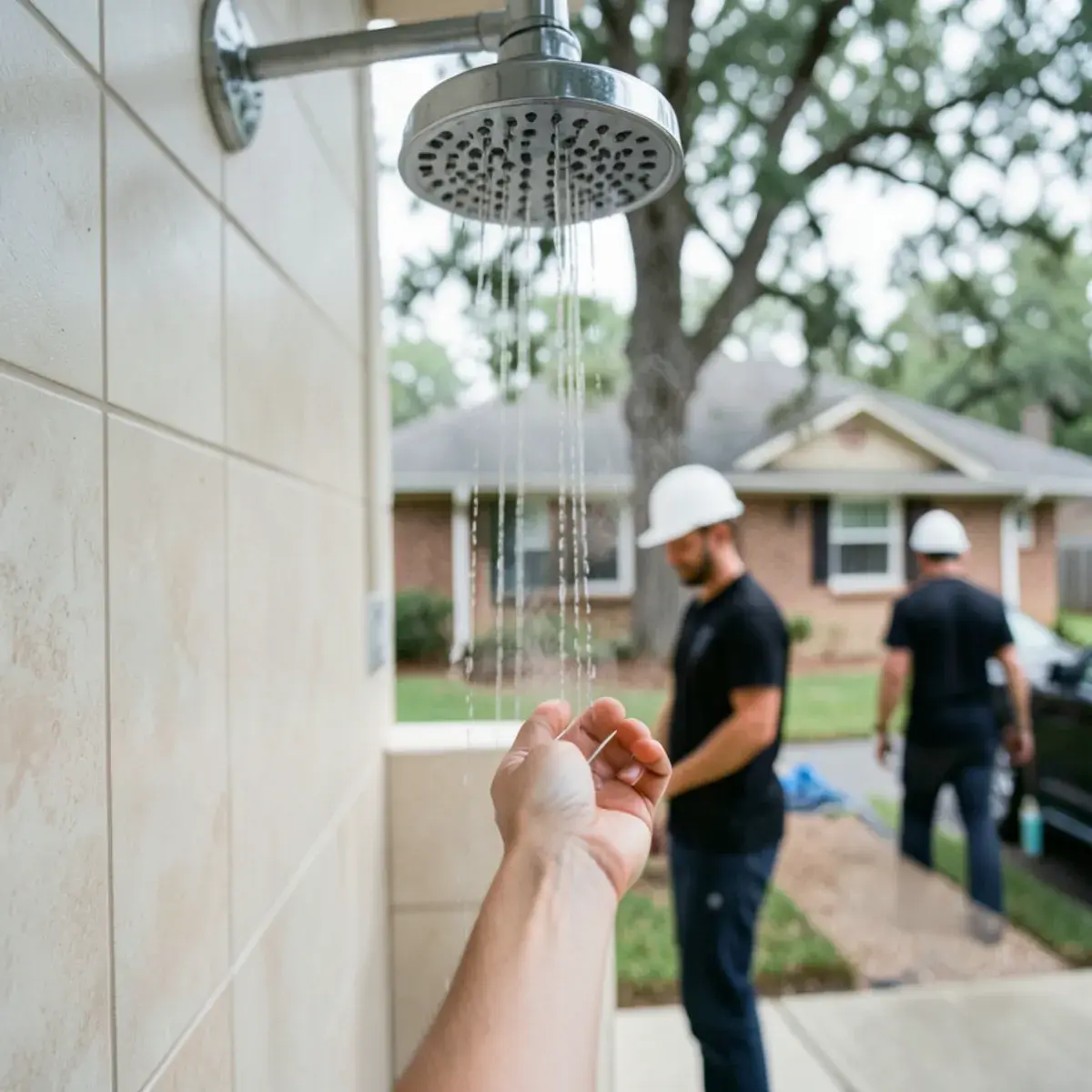
Check the whole house first. If one fixture is cold and the rest are hot, the heater is fine and the problem is at that fixture.
The data plate on the side of the heater answers most of what you need. It gives the fuel, the tank size, and either BTUs for gas or watts for electric, plus the serial number that dates the unit. Take a photo of it before you do anything else. Check that the cold water still runs at the same tap, too, because no water at all is a supply problem.
No hot water and no obvious cause? Call and tell us the heater type.
- ★ 5.0 on Google, 18 reviews
- Sun–Thu 7 AM–8 PM · Fri 7 AM–6 PM · Sat closed
- Clear, upfront quote
Gas tank heaters: look for the flame
Look for the flame first. No flame means no heat, and these are the usual reasons:
- The gas control is set to off or vacation
- The pilot went out
- The thermocouple, which proves the flame, has worn out
- The gas supply valve is closed, or the meter has been shut off
- The thermal cutoff has tripped
If the manufacturer's label allows it, relight the pilot by following the printed steps on the tank. If it will not stay lit, stop. Wikipedia's water heating entry notes that a clogged flame arrestor can trip the thermal cutoff, and that is a job for a plumber. Do not keep relighting a pilot that goes out.
Sealed burners and power vents
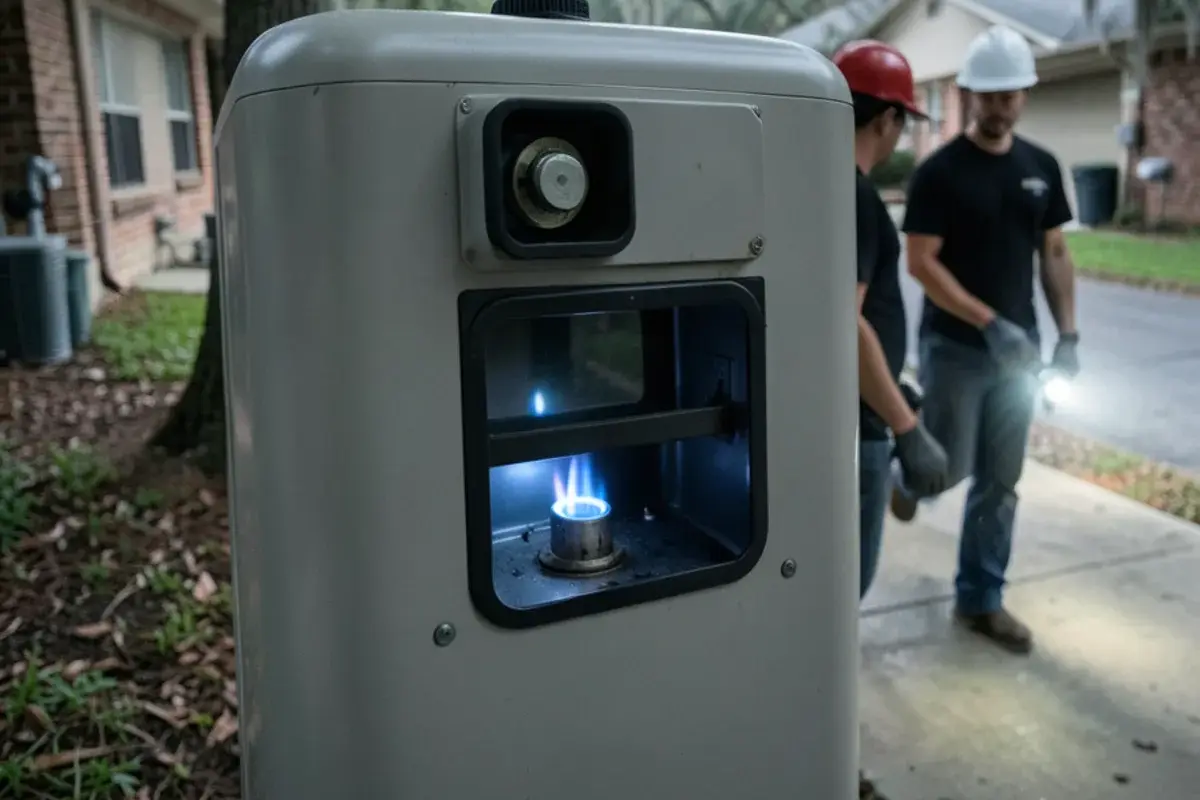
Newer gas tanks change the checks. Many have a sealed burner chamber with a small glass window and a push-button igniter, so there is no open pilot to reach. Bob Vila's 2021 guide says an enclosed chamber may need a plumber to relight. Power-vent models also need household electricity, so look for a cord and a plug. A tripped outlet or a power cut can stop a gas heater cold.
Electric tank heaters: start at the breaker
Check the breaker first, and turn it off before you open any panel.
- A tripped breaker may point to a shorted element, so reset it once only
- A high-limit switch can trip and needs a manual reset
- A burned-out element gives little or no heat
- A failed thermostat gives no heat or lukewarm water
If the reset trips again, leave it off and call. Repeat trips mean something is overheating or shorted.
Which element failed?
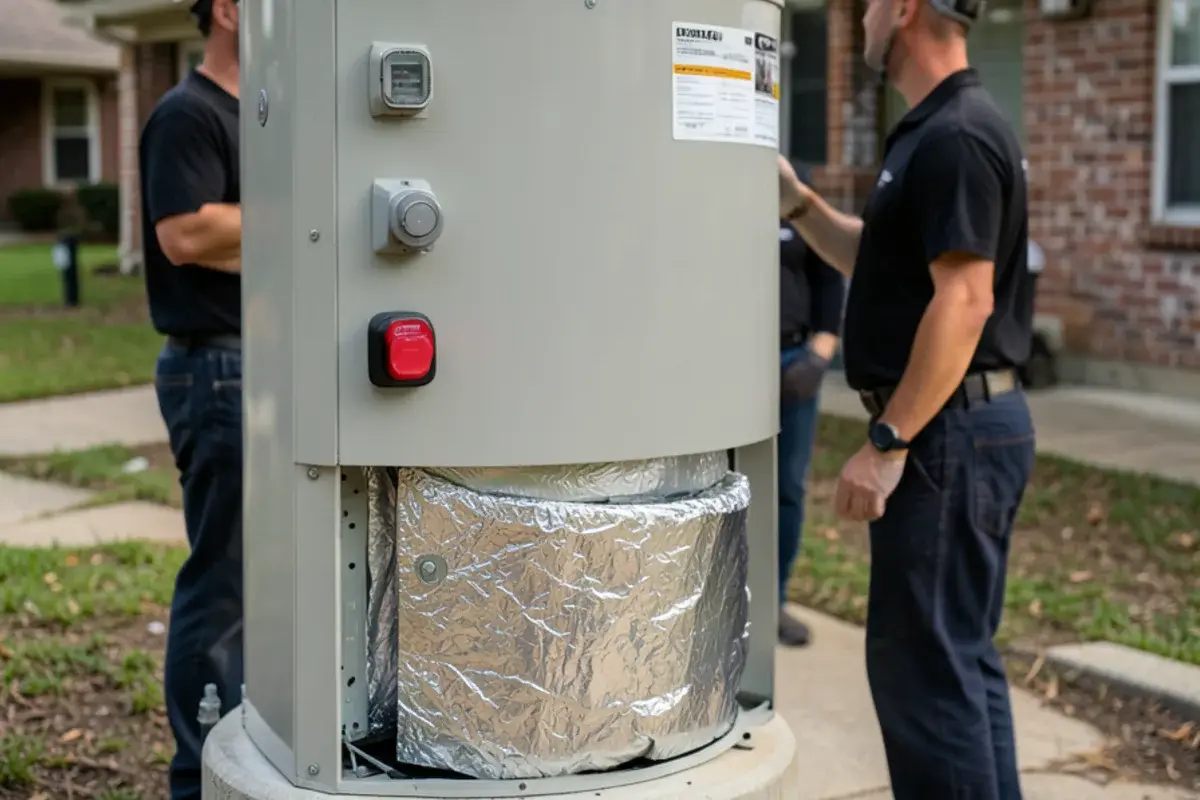
The symptom usually tells you. Most home electric tanks have two elements, and the upper one gets power first. If the upper element fails, the lower never takes over, so the whole tank goes cold. If the lower one fails, you get a short burst of hot water, then cold. The high-limit reset is the red button behind the upper panel, and these panels hide 240-volt wiring, so kill the breaker before you take a cover off.
Tankless heaters: read the fault code
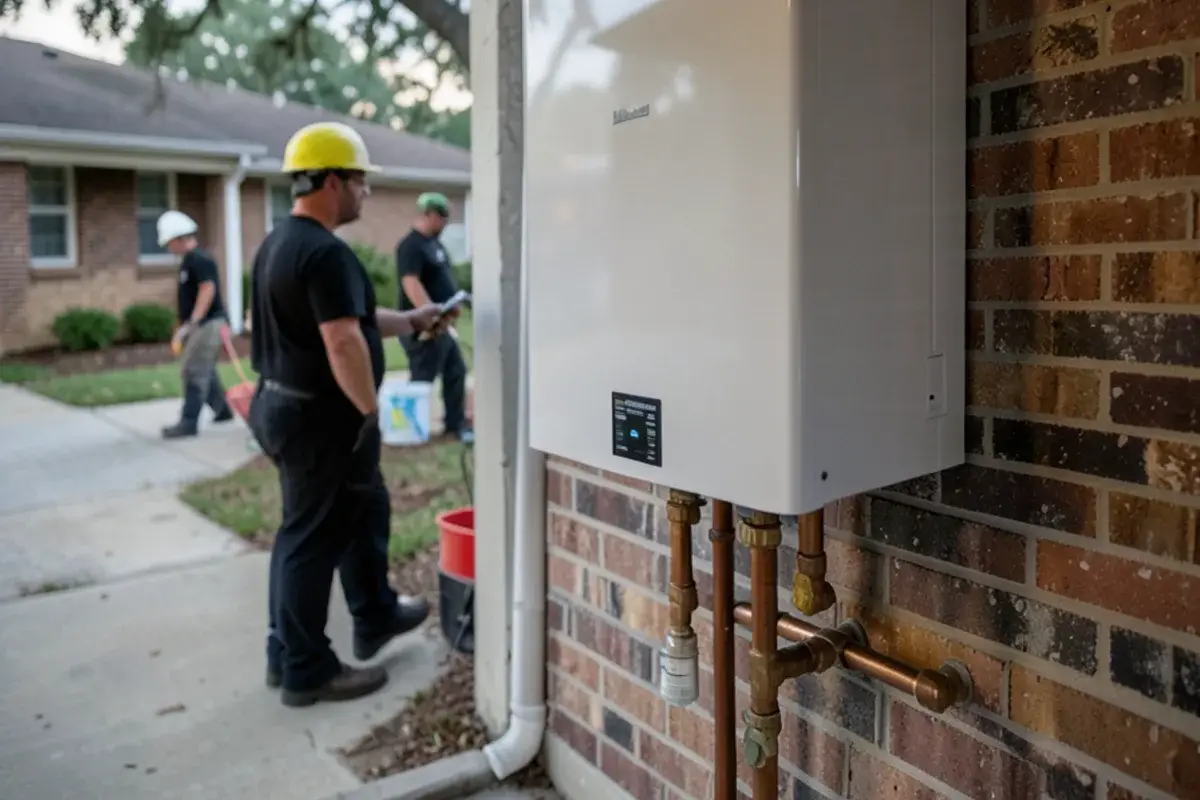
Read the code on the display first. A tankless unit usually reports why it stopped, and the manual explains the code.
- Too little flow, so the unit does not fire
- Scale in the heat exchanger, which can cause overheating shutdowns
- Too little gas supply when other appliances run
- A power loss, since gas units still need electricity
- A blocked vent or air intake
Tankless units have narrow passages that scale can block, so a unit that has never been descaled is a strong suspect.
Low flow catches a lot of owners out. Federal building guidance from Pacific Northwest National Laboratory says a hand wash may draw under half a gallon a minute, and not every tankless unit fires that low. A new low-flow aerator or a dirty inlet screen can drop a sink below the unit's minimum, so it stays cold while the shower runs hot. Open the tap wider and see whether the burner lights.
Why is the water warm but not hot?
Lukewarm water usually points to a partial failure, and the cause is usually simple. Here is how the common cases compare:
| What you notice | Likely cause | Next step |
|---|---|---|
| Hot for a few minutes, then cold | One failed electric element | Have the elements tested |
| Hot runs out faster each month | Sediment filling the tank | Flush it, or have it looked at |
| Always lukewarm everywhere | Low thermostat setting or a failing part | Check the setting, then call |
| Lukewarm in one room | Mixing valve at that fixture | Check nearby fixtures |
| Rusty, cloudy or smelly hot water | Tank corrosion or anode trouble | Book an inspection |
| Popping or rumbling sound | Sediment overheating at the bottom | Book a flush or a check |
| White plastic bits in aerators | Broken dip tube mixing cold into the hot | Have the tube checked |
Thermostat readings can mislead. Tank thermostats are not a reliable guide to the real temperature, according to Wikipedia's water heating entry, so a thermometer at the faucet tells you more. Set your target with care: the CPSC urges households to lower water heaters to 120 degrees, because burns can occur in seconds at higher temperatures.
Did you simply run out?
Rule out demand before you blame a part. Back-to-back showers plus a washer can empty a small tank, and it needs time to catch up. Bob Vila's guide says hot water may return within 30 to 40 minutes after a thermostat adjustment, and it lists tanks from about 30 to 80 gallons, with smaller ones suited to one or two people. A cold front adds to this, since colder incoming water takes longer to heat. If the water comes back after a wait, you may have a sizing problem and no fault at all.
What our team asks before anyone touches the heater
A few answers can solve this over the phone. Our team's general questions are ones you can answer yourself first:
- Is it gas, electric or tankless?
- How old is it? The data label has the serial number and details.
- Is any water on the floor around it?
- Do you smell gas or anything burning?
- Did anything happen just before, such as a storm or a power cut?
- Is any other gas appliance also out?
That last one matters. If the stove is out too, the problem is the gas supply and not the heater, so call CenterPoint Energy. After a freeze or outage, the first step is the supply.
Repair or replace?
Base the choice on the age of the heater and the failed part. A thermocouple, element or thermostat on a younger heater is usually a straightforward water heater repair. A tank that leaks from its body needs replacing, as our guide to a leaking water heater explains.
An older tank with a repeat failure is the harder call. Bob Vila's guide puts standard tanks at about 10 years of service, and a sediment-packed unit near that age rarely repays a second repair. Get the repair price and the replacement price together, then decide. If you are replacing, our water heater installation page explains the choices, and tankless water heaters covers that option.
Bringing the hot water back
Most no-heat calls come down to flame, power, flow or age. Check for gas first, work out your heater type, and stick to the safe checks. Anything past a reset or a relight belongs to a plumber, particularly with gas or a wet heater.
Homes in Jacinto City and across Houston are covered during posted hours: 7 AM to 8 PM from Sunday to Thursday and 7 AM to 6 PM on Friday. Saturday is closed.
Common questions
Can a power cut or a freeze leave me with no hot water?
Yes. A gas tank with a standing pilot may keep working in an outage, but tankless units and many newer gas models need electricity. After a freeze, a frozen line can stop water from reaching the heater at all. Check whether cold water runs first. If it does not, the problem is the supply and not the heater.
Why do I have hot water in the kitchen but not the shower?
The heater is probably fine, and the fault is at the shower. A worn or stuck mixing valve, a clogged cartridge or a scald-guard stop can limit hot flow at one fixture. Check a nearby sink to confirm. If that sink runs hot, have the shower valve looked at and leave the heater settings alone.
Is it safe to press the reset button on an electric water heater?
Once, yes, with the breaker off first. The button sits behind the upper access panel, and the wiring there is live until the power is cut. If the reset holds and the water heats, watch it for a few days. If it trips again, leave the breaker off, because a shorted element or stuck thermostat is overheating the tank.
Why is there no hot water after a Houston storm?
Usually the unit lost power or the gas supply was interrupted. Tankless units and power-vent tanks both need electricity, so they stop in an outage and may need a reset afterward. Any gas heater that sat in floodwater stays off until a qualified person has checked the burner and controls. Do not relight it yourself, because wet gas valves can fail.
Cold showers two days running? Call and tell us what kind of heater you have.
- ★ 5.0 on Google, 18 reviews
- Sun–Thu 7 AM–8 PM · Fri 7 AM–6 PM · Sat closed
- Clear, upfront quote
Written by the PipeElectric team
PipeElectric is a Houston plumbing company with 18 Google reviews and a 5.0 rating. Read about us.