
By the PipeElectric team · Published October 30, 2026 · Updated October 30, 2026
The clearest signs of a hidden water leak are a water meter that moves with everything off, a bill that jumps with no change in use, and a warm or damp patch on a floor or wall. You can run the meter test yourself in two hours, and a moving number means a leak.
Run this two-hour meter test first
A meter test settles the question faster than any other sign. The EPA recommends this version:
- Pick a time when nobody needs water for two hours.
- Turn off all faucets, the washer and the dishwasher. Stop the irrigation system.
- Read the water meter and write down the number, or take a photo.
- Wait two hours with no water use.
- Read it again.
If the meter moved, you probably have a leak. If it did not, a sudden high bill may have another cause, such as an irrigation change or a fixture that ran for a while and stopped.
Read the leak dial while you are there
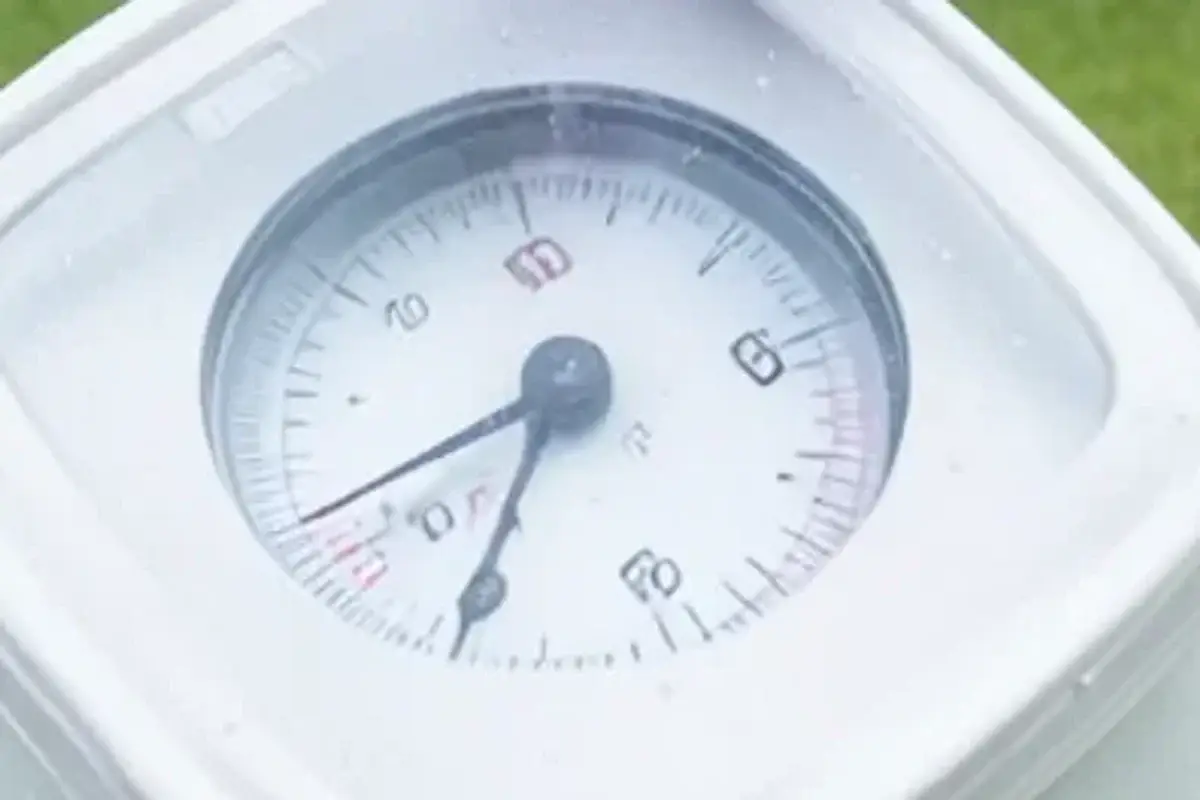
Most residential meters have a faster tell than the main number. Portland's water bureau describes a small red or blue triangle, or a blue snowflake dial, that spins at very low flow. If it turns with the house quiet, water is moving. The big sweep hand can show the same thing on older meters.
The box usually sits near the curb. Lift the lid with a screwdriver, watch for ants and anything living in there, and put the lid back when you finish.
Things that fool the test
A few machines use water on their own schedule, so stop them first or the meter will send you hunting for nothing:
- A water softener running its regeneration cycle
- A refrigerator ice maker filling its tray
- A reverse osmosis filter flushing to the drain
- A pool auto-fill valve topping up the water
- An irrigation controller set to run overnight
Meter moved during the test? Call and describe the change.
- ★ 5.0 on Google, 18 reviews
- Sun–Thu 7 AM–8 PM · Fri 7 AM–6 PM · Sat closed
- Clear, upfront quote
Which signs of a hidden water leak matter most?
Some signs are strong evidence, and others only suggest a closer look. Here they are, ranked by how much they tell you:
| Sign | What it suggests | Strength |
|---|---|---|
| Meter moves with everything off | A leak on the house side | Strong |
| Warm patch on a floor | A hot water line under the slab | Strong |
| Sound of running water with nothing on | A pressurized leak or a running toilet | Strong |
| Bill jumps with no change in use | A leak, or a billing or irrigation issue | Moderate |
| Cupped wood, lifting tile, damp carpet | Water below the surface | Moderate |
| Musty smell in one room | Moisture in a wall or under a floor | Moderate |
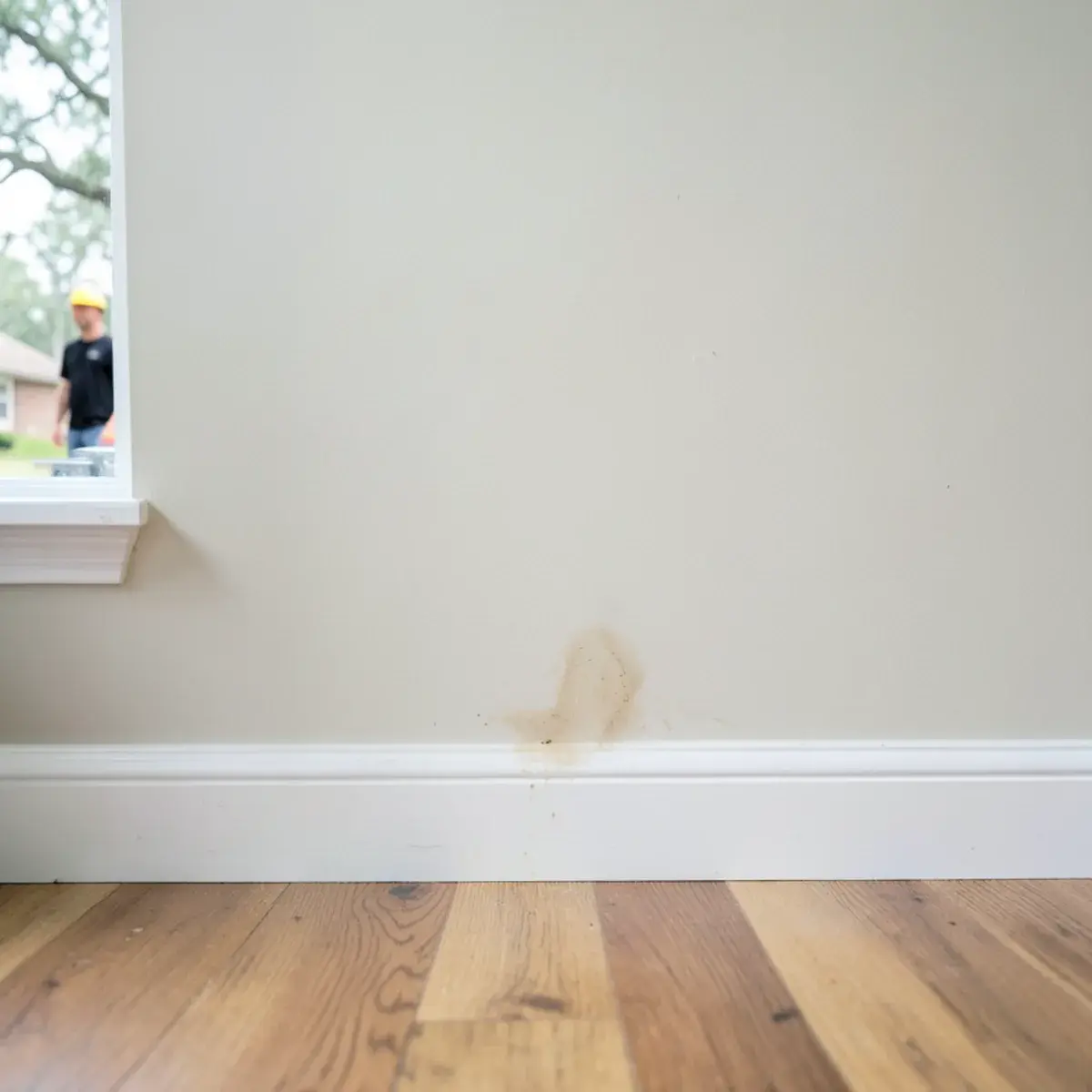
| Stains or bubbled paint | Water in a wall or ceiling | Moderate |
| Water heater running often | A possible hot side leak | Weak alone |
| New cracks in floors or walls | Possible ground or slab movement | Weak alone |
Winter use gives you one more check. The EPA says a family of four using more than 12,000 gallons a month in a colder month may have serious leaks. Compare your January or February bill with that number.
How much water can a small leak waste?
More than most people expect. The EPA says household leaks waste nearly 900 billion gallons nationwide each year. An average family can lose about 180 gallons a week, or 9,400 gallons a year. About nine percent of homes have leaks that waste 50 gallons or more a day.
The water is only part of the cost. A leak under a floor can soak the materials above it for weeks before anything shows, and hidden moisture can feed mold. The EPA says wet materials should be dried within 24 to 48 hours, and a hidden leak never gets that chance.
What does a leak look like outside the house?
The yard often shows it first when the break sits between the meter and the house. Portland's water bureau lists these signs, and they hold up in Houston clay:
- A wet or muddy spot that stays wet in dry weather
- A strip of grass that is greener or softer than the rest
- Cracked or lifted paving over the line
- A sinkhole or a sunken patch of lawn
- Lower pressure, or rust, dirt or air in the water
Clay holds water near the surface, so a buried leak here can show as a long damp stripe. Check it after a dry week, since a Houston downpour will hide everything for days. Walk the path from the meter box to the house and press on the soil with your foot.
Is it the toilet or something worse?
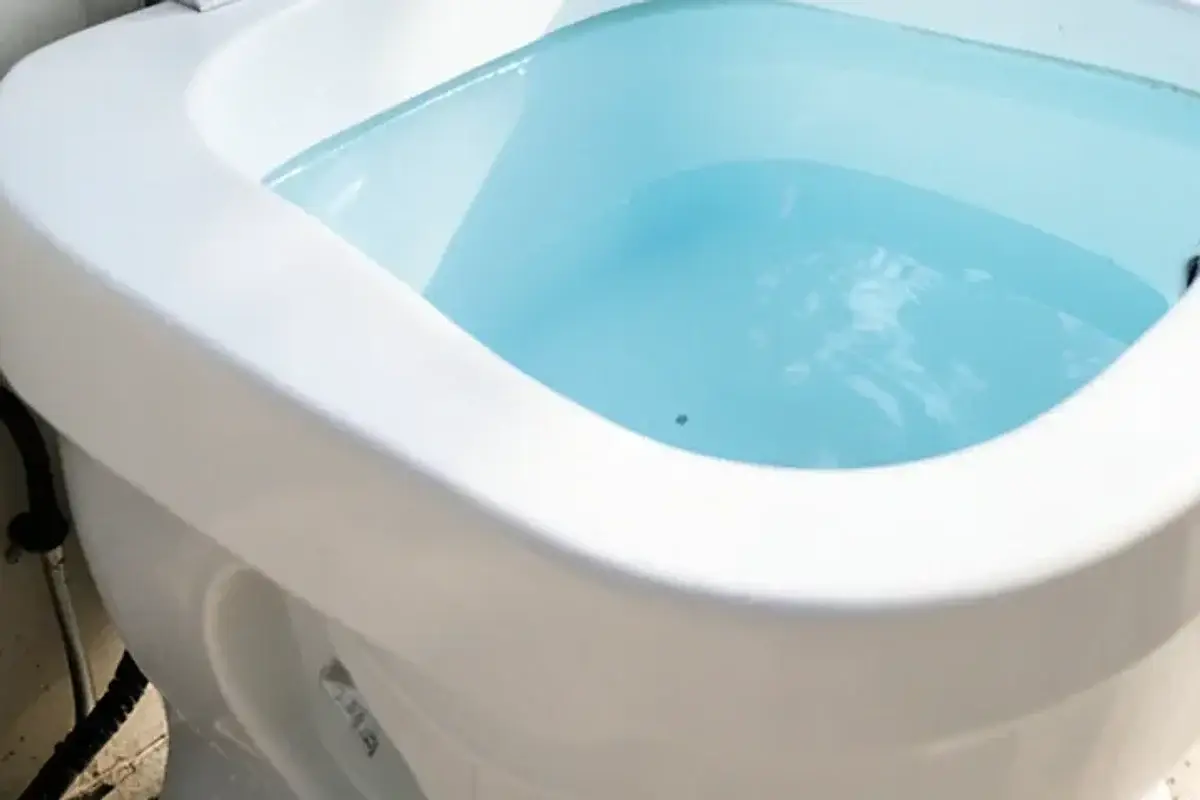
Check the toilets first, because they are a common and cheap cause. The EPA's dye test takes ten minutes:
- Add a few drops of food coloring to the tank.
- Wait 10 minutes without flushing.
- Look in the bowl. Color there means the tank is leaking.
- Flush right away so the dye does not stain.
A worn flapper is the usual cause. The EPA suggests checking it often and replacing it at least every five years. Rule out outdoor spigots and irrigation next. If the meter still moves after those checks, the leak is likely in a supply line.
Where our team looks first on a slab home
Start with what the house tells you, then narrow it down. Most Houston homes sit on slabs, so a hidden leak here often runs under concrete or inside a wall. Our team's general approach:
- Shut off the house at the main valve. If the meter stops, the leak is inside the house. If it keeps moving, look at the line between the meter and the house.
- Close the water heater's cold inlet. If the meter stops, the leak may be on the hot side.
- Feel floors along the hot line in bare feet, and listen near walls at night.
- Note when you first noticed each sign.
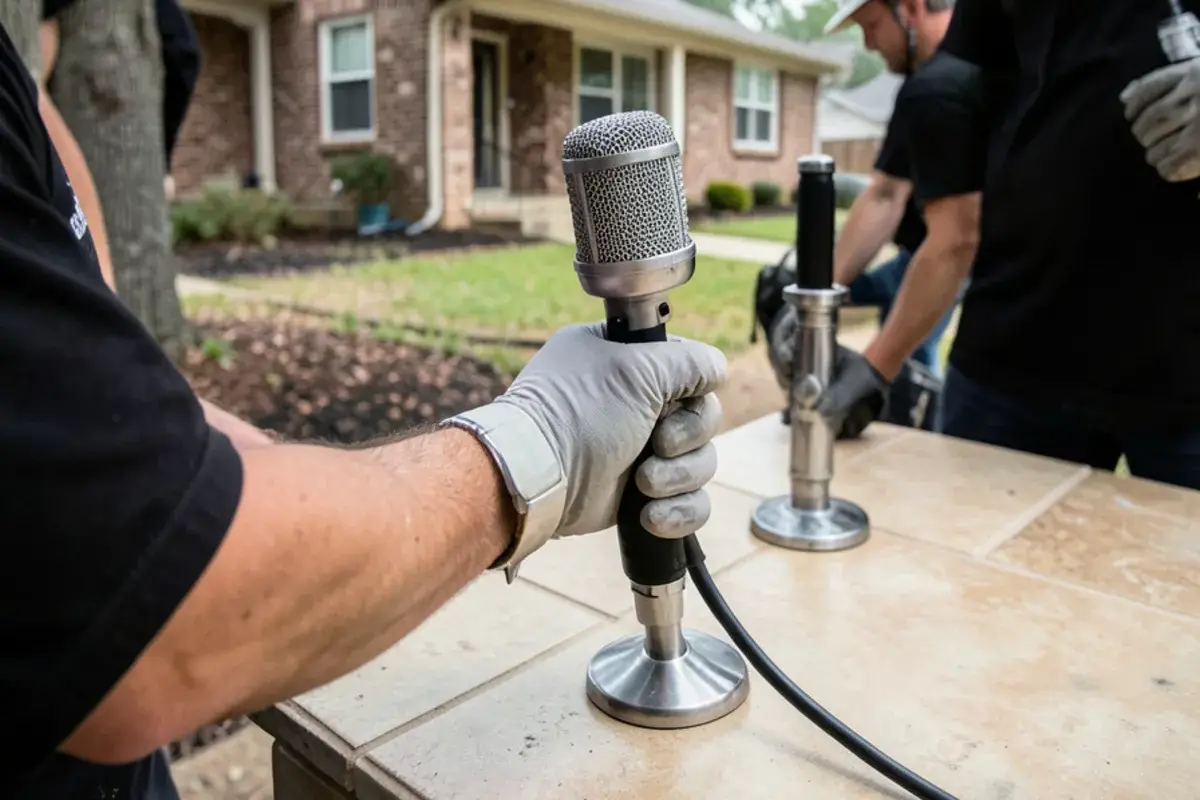
Those notes save time during a leak detection visit. A plumber can then isolate each line, pressure test it, and use listening gear before anything gets opened.
What should you do once you suspect a leak?
Act quickly, but do not open anything yet. Take photos of any stains, save your recent bills, and close the main valve between uses if the leak looks serious.
If the floor feels warm, or water is rising through it, see our page on slab leak repair. For water you can see and cannot stop, go to emergency leak repair.
If the leak could be on the utility's side of the meter, report it. In Houston, call 311. In Galena Park, a separate city, contact the city's own water department.
Can the bill be adjusted after a leak?
Sometimes, so keep your paperwork. The City of Houston's water billing site has a leak adjustment request, and the timing of the repair can affect the credit. Save the invoice that shows the date, the location and the cause of the leak. Water suppliers outside the city set their own terms, so ask yours before you assume a credit is coming.
The short version
Trust the meter over your eyes. A two-hour test, a toilet dye test and a walk around the house will tell you whether you have a problem and roughly where to look. If the meter keeps moving, have the leak located before it finds its own way to the surface. Expect a clear, upfront quote once the leak has been found.
Common questions
Can a hidden leak be on the utility's side of the meter?
Yes. If your meter stays still and you still see water at the street or in the lawn near the meter box, the leak may be on the utility's line. Your meter only records water that passes through it. Report it to your water utility, and take a dated photo of the spot in case it grows.
Will a hidden leak always raise my water bill?
Not always, at least not at first. A slow drip may add only a small amount, and a bill can lag behind the leak by a month or more. That is why the meter test is better than waiting for the bill. Run it a couple of times a year, and after any big freeze or storm.
Is it normal for a water meter to creep when nothing is on?
No. A meter should sit still when no water is running, so slow creep means something is using water. Stop the softener, ice maker and sprinkler controller, then watch the leak dial again. If it still turns, close the main shut-off valve. A dial that stops points inside the house, and one that keeps turning points to the buried line.
Can a leak under a slab go unnoticed for months?
Yes. Water under a slab can drain into the soil for a long time before anything shows at the surface, and a cold line gives no warm spot to feel. Houston clay can carry the water away from the break, so the damp patch may be nowhere near it. A two-hour meter test catches what the floor hides.
Meter moving with the house quiet? Call and tell us what the dial did.
- ★ 5.0 on Google, 18 reviews
- Sun–Thu 7 AM–8 PM · Fri 7 AM–6 PM · Sat closed
- Clear, upfront quote
Written by the PipeElectric team
PipeElectric is a Houston plumbing company with 18 Google reviews and a 5.0 rating. Read about us.